Chapter 9 - The slap
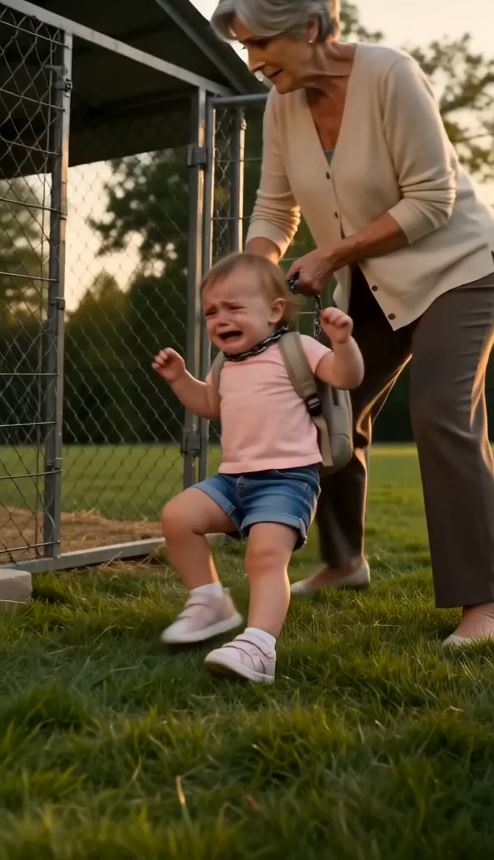
I was charged?
Not immediately.
The prosecutor reviewed the full backyard context.
My kick occurred while Diane had physically interfered with my attempt to reach the locked kennel.
Defense of a child could plausibly apply.
How much force was reasonable?
Debatable.
No charge on the kick initially.
The slap was different.
Lily was out.
In my arms.
Diane stood.
Argued.
I handed Lily off for a second and struck her.
No immediate protective necessity.
My attorney said:
“That is the cleanest bad fact against you.”
The prosecutor offered diversion on a misdemeanor assault charge.
No prior record.
Limited injury.
Extreme emotional context.
Diane had a mild scalp contusion from the fall and facial redness from the slap.
No skull fracture.
No brain bleed.
No lasting injury.
I accepted.
Conflict-management course.
Community service.
No new offense.
The charge would be dismissed upon completion.
Relatives told me:
“You should fight it. She chained your daughter.”
I answered:
“And I slapped her after Lily was safe.”
Two truths.
The instructor asked:
“What did you want Diane to feel?”
I said:
“Fear.”
There.
“Why?”
“Because Lily was afraid.”
“So you wanted symmetry.”
I hated that word.
“Yes.”
“Did it help Lily?”
“No.”
She cried harder.
That became the point.
Protection should end danger.
Retaliation satisfies the protector.
Not the protected.
I apologized to Lily later, in language she could understand.
“Daddy should not have hit Grandma after you were already safe.”
She looked at me.
“But Grandma bad.”
“Grandma did something bad.”
“Then?”
“I can keep you safe without hitting people who are no longer hurting you.”
She considered.
“Can you yell?”
“Yes.”
“Very loud?”
May you like



“Sometimes.”
Good enough.







