Chapter 3 - The emergency room
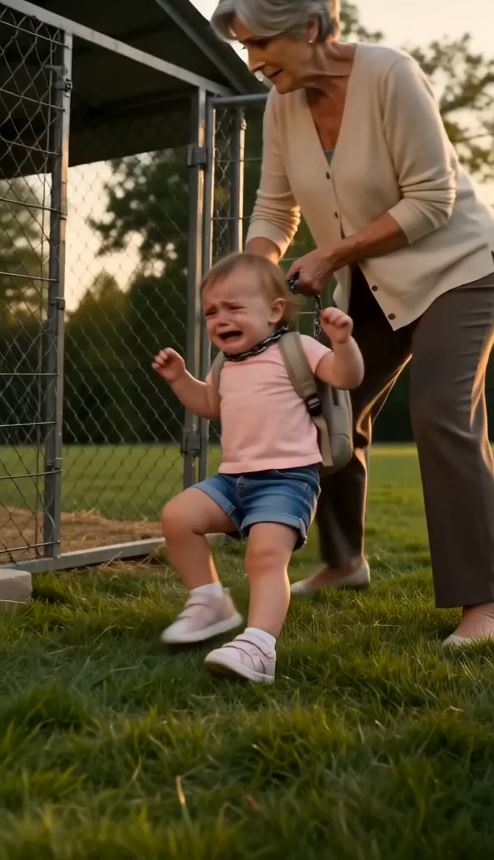
Lily did not have a crushed airway.
No neck fracture.
No internal bleeding.
No neurological injury.
The emergency physician explained carefully that the chain had created superficial pressure marks and bruising but no evidence of deeper structural damage.
I cried in the hospital restroom afterward.
Quietly.
Not because the injuries were serious.
Because they could have been.
When danger misses, the body sometimes processes the possible version anyway.
Lily fell asleep against my chest while we waited.
The nurse documented:
Red marks along front and side of neck.
Minor bruising on one shoulder.
Grass staining.
A small scrape on her knee.
No other acute injuries.
Then she asked something I had not expected.
“Any older unexplained bruises?”
I thought.
“She gets little bruises.”
Most children do.
Then I remembered one near her upper arm two weeks earlier.
Diane had said:
“She bumped the patio chair.”
Another on Lily’s calf.
“Playground.”
Was that true?
I did not know anymore.
That was the beginning of a terrible kind of doubt.
When trust collapses, ordinary history becomes evidence-shaped.
You start reopening every bruise.
Every nap.
Every strange mood.
That can become dangerous too.
I told the nurse only what I actually remembered.
No theories.
She photographed nothing herself beyond medical documentation under hospital policy.
A social worker named Erin Walsh came in.
She explained that suspected child abuse by a caregiver required a report to child-protective services.
“I understand.”
“Who lives with Lily?”
“Me.”
“Mother?”
My throat tightened.
“Claire died six months ago.”
Erin paused.
“I’m sorry.”
Lily’s mother, my wife, had died from complications after a sudden cardiac arrhythmia.
Not childbirth.
Lily had already been alive.
Claire went to bed feeling dizzy.
Collapsed in the kitchen the next morning.
Hospital.
Ventricular arrhythmia related to an undiagnosed inherited condition.
Four days later she was gone.
I had spent six months functioning through checklists.
Diapers.
Food.
Appointments.
Work.
Laundry.
Grief.
Diane had become indispensable.
Three afternoons a week.
Sometimes four.
She insisted.
“You need help.”
She was right.
At least about that.
I trusted her because she was my mother.
Because she loved Claire.
Because she had cried harder than I expected at the funeral.
Because Lily smiled when she arrived.
Or had she?
Another memory reopened.
Some afternoons Lily clung to me when Diane came.
I called it separation anxiety.
Diane called it manipulation.
Claire would have noticed the difference sooner.
That thought nearly destroyed me.
I stopped.
No retroactive sainthood.
Claire was human.
She missed things too.
May you like



I needed facts.
Not a dead spouse as imaginary judge.







