Chapter 4 - The warrant
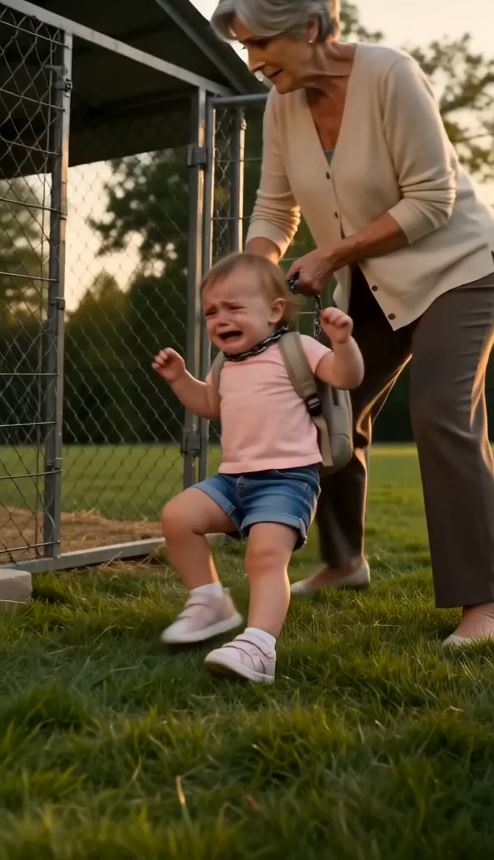
Police did not search Diane’s entire phone because I wanted answers.
They preserved it.
The visible video established enough concern to seek legal process for relevant media and communications.
Her attorney objected broadly.
Normal.
A warrant was later issued covering:
Videos and photographs involving Lily.
Messages discussing discipline or the kennel.
Relevant cloud backups.
A limited date range.
Not Diane’s entire digital life.
That mattered.
Privacy does not vanish because somebody may have committed a crime.
While police worked, I made my own mistake.
Diane’s old tablet was still at my house.
She had used it while babysitting.
The device was signed into her cloud photo account.
I found it on the kitchen counter the morning after the hospital.
I opened it.
No password needed.
The photo application displayed thumbnails.
One thumbnail showed the kennel.
I clicked.
Then another.
Then another.
I knew I should stop.
I did not.
There were nine clips containing the backyard kennel across five weeks.
Some short.
Some longer.
Lily crying.
Lily sitting inside.
Diane standing outside.
One clip showed Diane shaking the wire door.
Another showed her striking the outside bars with a wooden garden stake.
One showed Lily reaching between the bars and saying:
“Daddy.”
My vision blurred.
I downloaded all nine to my laptop.
Then emailed them to myself.
Then called Detective Ruiz.
“I found more.”
Her first question:
“How?”
I explained.
Silence.
Then:
“Do not touch the tablet again.”
“I already downloaded them.”
“I understand. Stop now.”
“Did I ruin anything?”
“Not necessarily. But we need independent lawful acquisition and authentication. Your access creates issues we do not need.”
My lawyer, Dana Whitaker, was more direct.
“What were you thinking?”
“I wanted to know.”
“That is not a legal standard.”
“I had access.”
“Being logged in is not the same as being authorized to conduct a private evidentiary search.”
I rubbed my face.
“So the videos are useless?”
“No.”
“Then?”
“Police obtain them independently. The defense may argue about your access, editing, selection, chain of custody. You just gave them something to argue about.”
There.
My meaningful mistake.
Not violence this time.
Evidence hunger.
May you like



I had already learned one lesson too late.
I would learn this one too.







