Chapter 17 - The company without Arthur
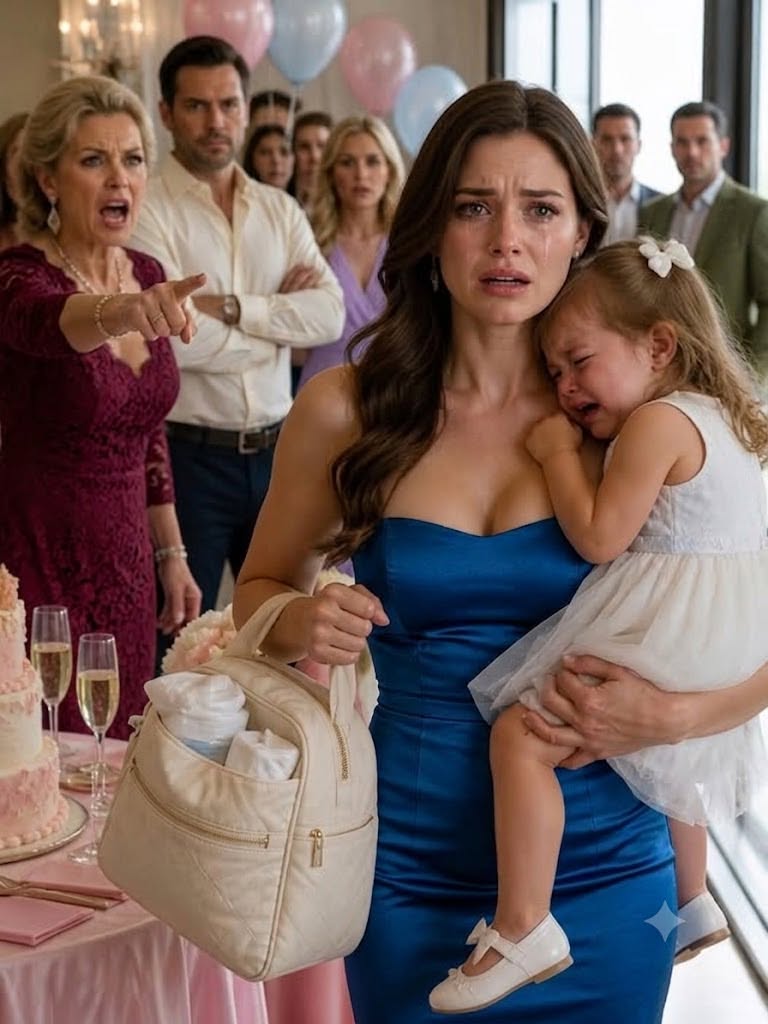
Arthur remained on leave for five months.
Then the employment review concluded.
Findings:
Repeated aggressive conduct.
Policy violations around expenses.
Failure to provide board-requested information.
No finding of employee physical assault.
No fraud.
Board vote:
Terminate Arthur as president for cause under his employment agreement, but cause was negotiated rather than litigated.
He kept his equity.
Lost salary.
Lost bonus.
Received limited transition compensation in exchange for releasing employment claims.
The commercial division did not collapse.
A forty-nine-year-old executive named Marcus Hale, no relation to anyone, became COO.
External hire.
Boring.
Competent.
Sales dipped eight percent.
Then stabilized.
The Westchester showroom was downsized.
Inventory reduced.
No dramatic bankruptcy.
Whitmore House Interiors became less profitable for one year.
Then healthier.
My parents had spent years believing Arthur was irreplaceable.
No one is irreplaceable in an organization with proper systems.
That lesson embarrassed them.
It also embarrassed me.
I had believed it too.
Arthur used his dividends to support himself while deciding what came next.
He later joined a smaller design-development firm in a non-executive business-development role after disclosing his misdemeanor case.
Not destroyed.
May you like



Different scale.
Consequences.







