part 10
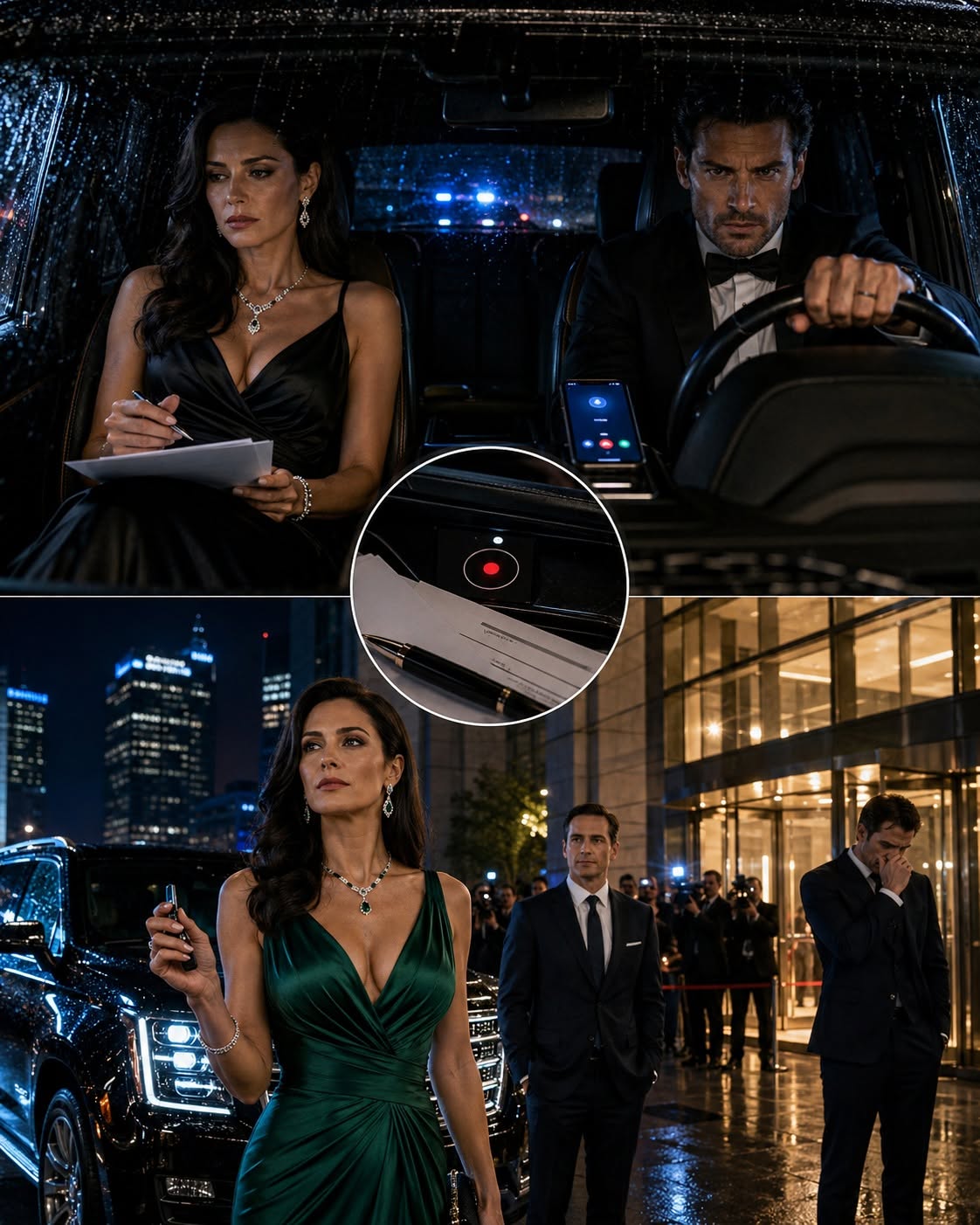
PART 10
Cameron’s case did not end quickly.
Men like him rarely lose in one dramatic scene and disappear.
They file motions.
They deny context.
They claim stress.
They say recordings sound worse than reality.
They ask mutual friends to call.
They tell donors they are being targeted.
They tell mistresses they were misunderstood.
But recordings are stubborn.
So are documents.
So are women who finally stop negotiating with fear.
Julia filed for divorce two days after the gala.
This time, the papers came from her attorney.
No speeding SUV.
No bridge.
No mistress on speakerphone.
No threats hidden under rain.
The emergency recording became evidence in the protective order hearing.
Cameron’s attorney argued that the conversation had been marital conflict.
The judge listened to the clip.
Sign before we reach the bridge.
Then the judge looked at Cameron.
The protective order was granted.
The forced settlement papers were declared void.
The Vale Foundation board permanently barred Cameron from any role, advisory access, or donor control.
The philanthropy award was renamed.
Not for Julia.
She refused.
It became the Leonard Vale Truth in Service Award.
Martin cried when the board approved it.
Sloane had her child months later.
She did not stay with Cameron.
Whether from wisdom or self-preservation, Julia did not care.
Sloane sent one apology letter.
Julia read the first paragraph and stopped.
Some apologies ask the wounded person to become a witness to someone else’s regret.
Julia had no room for that yet.
Cameron moved out of the house after the court order.
The first night alone, Julia walked through every room and turned on every light.
Not because she was afraid of the dark.
Because she wanted to see what belonged to her without him standing in it.
In the kitchen, she found one of his cufflinks under the cabinet.
She threw it away.
Not ceremonially.
Just practically.
Months passed.
The divorce settled harder for Cameron than he expected.
He received far less than he had tried to steal.
The recording damaged his reputation beyond repair in the circles that once applauded him.
He was not ruined by Julia.
He was revealed.
There is a difference.
One year after the rainstorm, Julia drove the same black SUV toward the bridge.
Daylight this time.
Clear sky.
No Cameron.
No papers in her lap.
No phone glowing with Sloane’s voice.
She pulled onto the scenic overlook before the bridge and stepped out.
The river moved below, calm and silver.
For months, she had avoided this road.
The bridge had become a symbol of his threat.
A line he tried to force her across.
Today, she came to rename it.
She took out the unsigned divorce papers, now stamped as evidence copies and legally useless.
Across the signature line were the words UNDER DURESS.
Across the back was her own sentence.
I will not sign away myself to escape you.
She folded the papers once.
Then again.
Then placed them into a folder labeled CLOSED.
Not burned.
Not thrown into the river.
Julia was done turning pain into theater for imaginary audiences.
She kept proof.
She kept records.
She kept herself.
Years later, people still told the story of the husband who forced his wife to sign divorce papers in a speeding SUV, not knowing the car recorded every threat.
They loved the rain.
The bridge.
The mistress on speakerphone.
The trooper asking, “Ma’am, are you safe?”
The wife answering, “No.”
They loved Cameron walking into the gala soaked and exposed.
They loved the recording that trapped him.
But Julia knew the real story was not about a car.
It was about the first no.
The small word spoken in a passenger seat while fear tried to sound like law.
It was about a dead father who understood his daughter before she understood herself.
It was about evidence becoming a bridge back to truth.
And it was about learning that safety does not always arrive as a rescue.
Sometimes it arrives as a red light blinking silently on a dashboard.
Sometimes it arrives as a trooper asking the question no one at home had asked.
May you like



Sometimes it arrives when a woman looks at the man who built his power on her silence and says the only word that makes the locked door open.
No.







