Chapter 6
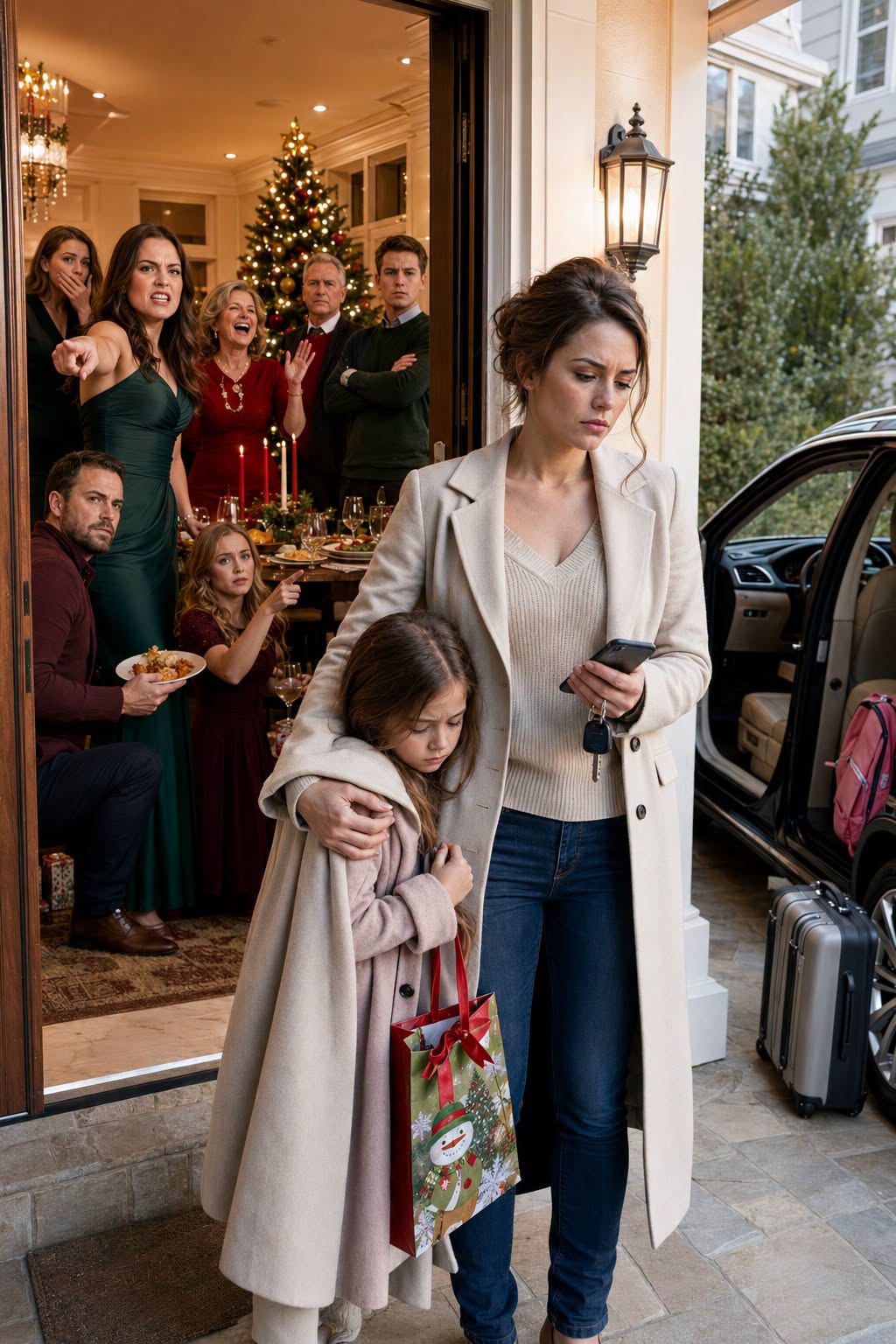
### Part 6
Wren’s spring concert was held in the elementary school gym, where folding chairs scraped the floor and proud parents lifted phones before the children even stepped onto the risers.
The room smelled like floor wax, paper programs, and grocery store flowers. Sunlight came through the high windows in pale rectangles. It was the kind of ordinary evening Callum would have loved. He would have whispered jokes about the tiny bow ties and cried during the second song while pretending allergies were attacking him.
Wren wore a white blouse and navy skirt. She had asked me to curl the ends of her hair.
“Not fancy,” she said. “Just like I tried.”
“You always try,” I told her.
She smiled at herself in the mirror, and I felt the old ache. Pride and grief often arrive holding hands.
I was saving two seats near the middle when I saw my mother.
She stood near the gym doors in a pale blue cardigan, holding a bouquet of daisies.
For a moment, my body forgot the months between us. It remembered only childhood. A mother in a doorway. Flowers. The old reflex to manage her emotions before my own.
Then I saw Wren spot her from the risers.
My daughter’s smile vanished.
That was enough.
I walked toward my mother before she could move closer.
“Maren,” she whispered. “Please. I just want to see her sing.”
“You need to leave.”
Her eyes filled instantly. “Don’t do this here.”
“I’m not doing anything. You are.”
She looked around, aware of the other parents, the teachers, the principal near the sound table.
“I brought flowers.”
“You brought pressure.”
Her mouth trembled. “She’s my granddaughter.”
“She is a child you helped humiliate on Christmas night.”
My mother glanced toward the risers. Wren was watching us, hands clasped in front of her skirt.
“I said I was sorry.”
“No,” I said. “You said I felt hurt.”
A flush rose up my mother’s neck.
“You always twist words.”
There she was.
Not fragile. Not sorry. Just interrupted.
I stepped closer and lowered my voice.
“You will not approach her. You will not speak to her. You will leave before the first song starts, or I will ask the principal to remove you.”
Her face changed then. The softness drained away, and for one second I saw the woman from the dinner table.
“You think you can cut me out forever?”
“Yes.”
One word again.
Still powerful.
She looked past me.
“Wren,” she called softly.
I turned.
My daughter stepped down from the riser before her music teacher could stop her. She walked across the gym in her shiny black flats, small and straight-backed, with every adult eye slowly turning toward her.
My heart pounded.
I wanted to protect her from the moment, but some moments belong to the child who has been underestimated.
Wren stopped beside me.
My mother’s face crumpled into performance. “Sweetheart, Grandma brought you flowers.”
Wren looked at the daisies.
Then at my mother.
“I don’t go where I’m unwanted anymore.”
The gym went so quiet I heard the microphone hum.
My mother’s mouth opened.
Nothing came out.
Wren reached for my hand. Her palm was warm and dry.
“Can I go sing now?” she asked me.
“Yes, baby.”
She walked back to the risers.
My mother left before the first song.
I did not feel triumph.
I felt clarity.
After the concert, Wren ran into my arms with a paper program crumpled in one fist and asked if Dad would have liked the silly song about frogs. I told her he would have given it a standing ovation.
We got ice cream after, still in her concert clothes.
She chose mint chocolate chip. I chose coffee. We sat outside under white patio lights while cars passed and teenagers laughed near the pickup window.
Wren dipped her spoon into her cup and said, “Was I mean?”
“No.”
“She looked sad.”
“Sad is not the same as harmed.”
Wren thought about that.
“Can people be sad because they don’t get to keep hurting you?”
I stared at my eight-year-old and wished she had learned that from a book instead of blood.
“Yes,” I said. “Sometimes.”
She nodded like the answer fit somewhere important.
That night, after she fell asleep, I found an email from my father.
No greeting.
“Your mother cried for two hours. I hope you’re proud.”
I typed three different replies.
Then I deleted them all.
Finally, I wrote, “I am proud of Wren.”
I sent it.
He never replied.
By summer, my parents had listed their house.
By fall, Talia and Beckett had listed theirs too.
And by the next Christmas, everyone wanted to know whether I would finally forgive them.
May you like



They did not understand.
Forgiveness was not the door they thought it was.







